
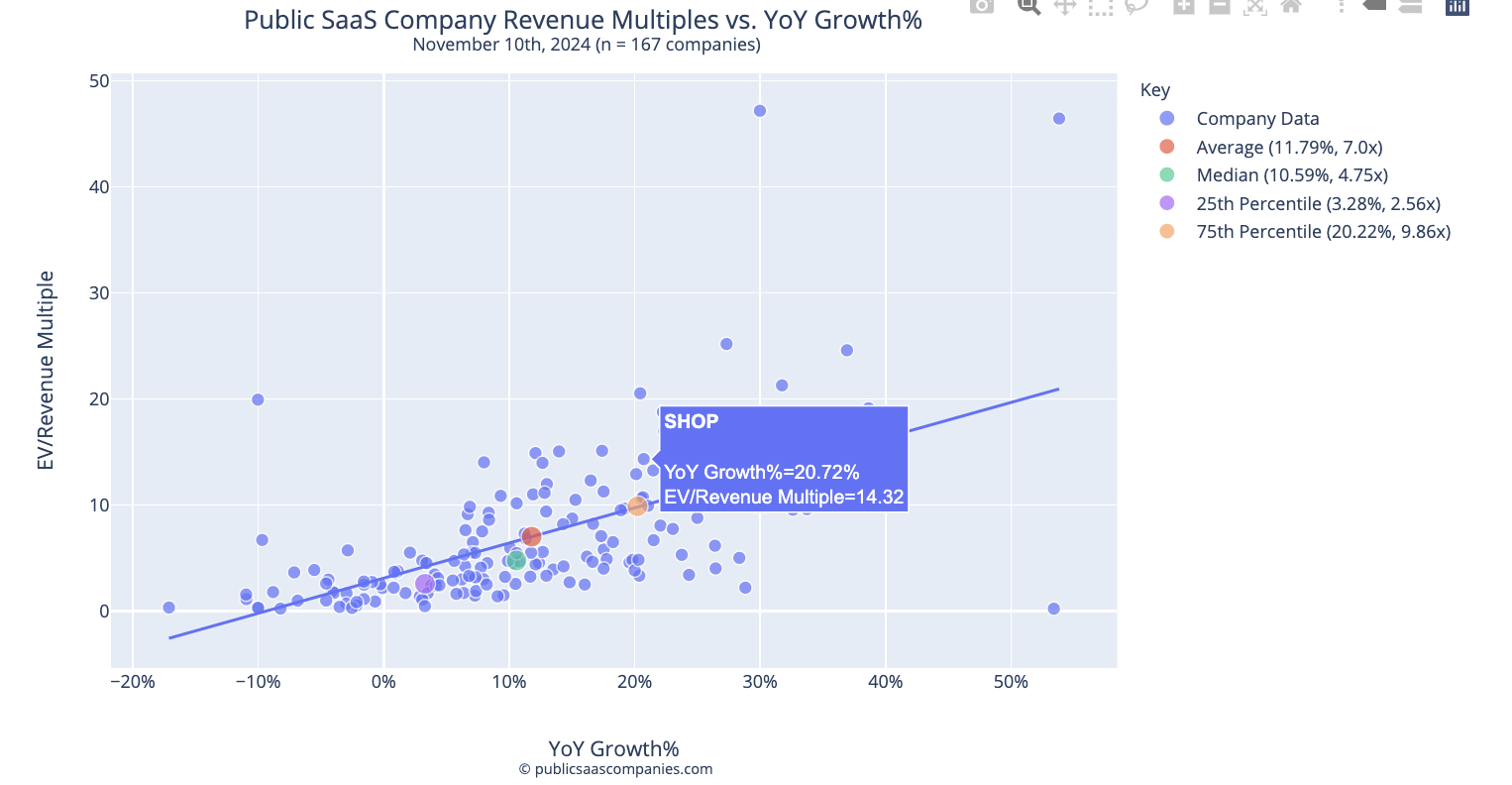
Shopify has become a powerhouse in e-commerce, helping countless businesses set up and manage their online stores. Recognized for its user-friendly platform, Shopify has enjoyed significant financial growth over the years. Understanding Shopify’s annual revenue and growth rate offers valuable insights into its success and potential future performance.
This article will explore these areas in detail, providing a comprehensive look at what makes Shopify a leader in the e-commerce space and how its financial health is shaping up for the future.
Overview of Shopify’s Annual Revenue
For the fiscal year ending in 2023, Shopify reported a yearly income of $5.6 billion. This amount reflects how Shopify’s strategy and offerings resonate well with a broad range of businesses, from small startups to large enterprises.
The revenue comes from subscription services, merchant solutions, and partnerships. Subscription services are the fees that businesses pay to use Shopify’s platform. These fees provide a steady income base, with different pricing tiers that cater to various business needs. Merchant solutions, which include payment processing and shipping fees, contribute a significant portion of the revenue. These services help businesses manage their sales more efficiently and enhance the overall value of Shopify’s platform.
In addition, Shopify’s partnerships with other technology providers enable it to offer more comprehensive solutions to its clients. This collaborative approach benefits Shopify and its partners, increasing revenue for everyone involved. Understanding these components provides a clearer picture of how Shopify achieves such substantial annual revenue figures.
Key Factors Driving Shopify’s Revenue Growth
Several key factors contribute to Shopify’s impressive revenue growth. First, the rise of e-commerce plays a massive role. As more businesses shift from brick-and-mortar stores to online platforms, the demand for reliable e-commerce solutions like Shopify’s continues to grow. Shopify’s easy-to-use interface and scalable solutions make it an attractive choice for businesses of all sizes.
Another crucial factor is Shopify’s focus on innovation. The company constantly updates its platform with new features and improvements, meeting users’ ever-changing needs. For example, integrating more payment options, enhancing security measures, and offering better analytics tools all contribute to attracting and retaining customers.
Additionally, Shopify’s strong marketing and customer support efforts help drive growth. By investing in advertising and providing excellent customer service, Shopify builds trust and brand loyalty among its users. This strategy encourages new sign-ups and ensures current customers continue to use and recommend Shopify’s services.
Finally, strategic acquisitions have also bolstered Shopify’s growth. Shopify expands its service offerings and enters new markets by acquiring complementary businesses. These acquisitions allow Shopify to provide more value to its users and tap into additional revenue streams, further fueling its growth.
Analyzing Shopify’s Growth Rate Over Recent Years
Shopify’s growth rate over recent years has been nothing short of impressive. In 2020, the company reported an annual revenue of $2.9 billion, which more than doubled to $6.1 billion by 2022. This rapid growth rate highlights Shopify’s ability to adapt and thrive in the fluctuating e-commerce landscape.
Several factors contribute to this growth. The boom in online shopping during the COVID-19 pandemic played a significant role, as many businesses turned to Shopify to establish their online presence. The company’s continuous roll-out of new features and improved customer support has also helped sustain this growth, ensuring businesses find sustained value in the platform.
It’s also important to examine new user acquisition and retention rates. Shopify has consistently added new merchants to its platform while satisfying existing ones. This balance of attracting new clients and retaining current customers demonstrates a sustainable growth model. By analyzing these metrics, we can see that Shopify’s revenue growth rate is supported by its ability to innovate, market effectively, and create long-term user value.
Future Projections for Shopify’s Revenue and Growth
Looking ahead, Shopify’s future revenue and growth projections seem promising. Analysts predict that the company will continue to see strong revenue growth, with estimates suggesting it could reach $8 billion in annual revenue by 2025. These projections are based on current trends, including the ongoing shift towards e-commerce and Shopify’s continuous innovation.
One central area of future growth is international expansion. Shopify has already started making significant inroads into markets outside North America, and this trend is expected to accelerate. By entering new geographical markets, Shopify can tap into a broader customer base and gain more subscribers, contributing to its revenue growth.
Moreover, Shopify’s investments in new technologies, such as artificial intelligence and augmented reality, will likely drive future revenue. These advanced tools can offer merchants better analytics, customer insights, and unique shopping experiences. As a result, more businesses will find Shopify an attractive platform, further boosting its growth.
Conclusion
Shopify’s annual revenue and growth rate reveal an exciting story of innovation, adaptability, and strategic planning. From its strong revenue streams to the factors driving its growth, Shopify has positioned itself as a leader in the e-commerce space. Its impressive growth rate over recent years and optimistic future projections indicate that Shopify’s success is far from over.
Exploring Shopify’s revenue and growth metrics offers valuable insights for those interested in tracking the financial performance of leading SaaS companies. Keeping an eye on these trends helps businesses, investors, and enthusiasts understand the dynamics of the e-commerce industry.
If you’re curious about other top SaaS companies’ financial health and growth opportunities, visit PublicSaaSCompanies.com. Our free Shopify valuation database provides detailed information on 170 SaaS businesses listed on U.S. stock exchanges. Stay updated and make informed decisions with the latest data from Public SaaS Companies.
Leave a Reply