
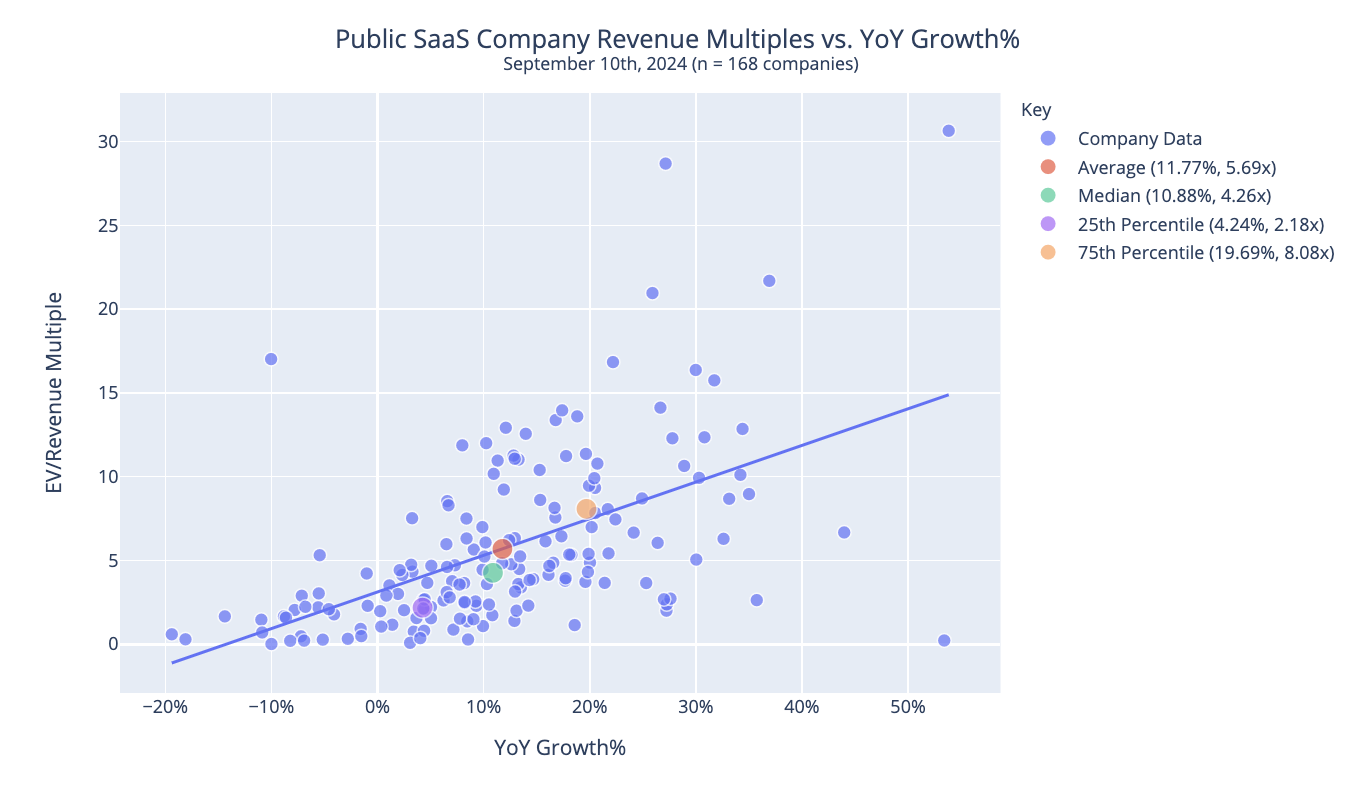
In the dynamic realm of SaaS (Software as a Service), determining what constitutes a ‘good’ growth rate is pivotal for sustainably steering a business towards success. This becomes increasingly complex as the SaaS landscape evolves, intertwined with technological innovations and market shifts. An optimal growth rate is not only a measure of financial health but also a strategic beacon that can guide companies in scaling operations effectively.
For us, understanding these growth dynamics is crucial. It lays the groundwork for fostering strategic initiatives and refining operational tactics to stay competitive. We not only aim to identify benchmark growth rates that classify SaaS businesses as performing well but also scrutinize the multifaceted influences that can propel or constrain these growth metrics. The focus on such growth analysis helps us in crafting nuanced strategies tailored to the unique contours of the SaaS industry, ensuring that our approach is both proactive and informed.
By dissecting the elements that contribute to successful growth rates and comparing these across leading SaaS players, we can unlock actionable insights that not only enhance understanding but also drive industry leadership. This exploration is not just about numbers; it’s about mapping out the future trajectory of SaaS companies in a market that’s as volatile as it is promising. Through this lens, we delve deep into the metrics of ‘good’ growth, learning from the industry’s best to forge paths that others may follow.
Defining ‘Good’ Growth: Benchmarks for Success in the SaaS Industry
In our quest to define what signifies ‘good’ growth for SaaS companies, we look beyond mere revenue increments. We consider a combination of several metrics, including customer acquisition rates, customer lifetime value (CLTV), churn rates, and the often over-looked expansion revenue from existing customers. Typically, a healthy SaaS company should show a robust year-over-year revenue growth rate of 20% to 30% at minimum. For those in hyper-growth phases, especially shortly post-IPO, expectations skyrocket, and these figures can jump to as much as 100%. However, it’s key to align these figures within the context of profitability and market conditions, rather than viewing them in isolation.
Achieving and sustaining this level of growth requires not only consistent customer acquisition but also a strong focus on retaining current customers and maximizing their value. High-performing SaaS companies emphasize reducing churn and improving customer success metrics just as much as they underline customer acquisition. This balanced approach ensures long-term sustainability and sets the stage for steady growth, making our goals achievable and our strategies effective.
Key Factors Influencing SaaS Company Growth Rates
Understanding the dynamics behind growth rates in SaaS companies involves examining several critical factors:
- Market Demand: The foundational aspect of any SaaS business is the market demand for its service. Products that address clear and present needs, or better still, anticipate future demands, position a company at a vantage point. It’s crucial for us to analyze market trends and directly align our offerings with what users are seeking.
- Innovation and Adaptability: In the technology-driven world of SaaS, stagnation is akin to regression. Continuous innovation not only in product features and usability but in business models is vital. As we adapt to changing technology and customer demands, our ability to innovate keeps us competitive and often sets us apart from the rest.
- Customer Acquisition and Retention Strategies: Successful SaaS companies excel in both drawing in new customers and retaining them. This involves sophisticated marketing strategies targeted at ideal customer profiles, coupled with an unmatched customer experience that supports high retention and low churn rates.
- Capital Efficiency: How efficiently we utilize our financial resources can significantly influence growth. Effective allocation of capital towards marketing, R&D, and other crucial operations is fundamental. This ensures we do not just burn through resources but use them to generate substantial growth and return on investment.
By keeping these factors at the forefront of our strategy discussions, we ensure that our growth is not only rapid but also sustainable and grounded in solid business fundamentals. Moving forward, each step we take is a calculated one, aimed at fostering not just growth but robust and resilient expansion that withstands market shifts and technological evolutions.
Comparison of Growth Rates Across Leading Public SaaS Enterprises
When we examine the growth rates of leading public SaaS companies, we uncover a wide spectrum of performance metrics. Such analysis not only highlights the variance in growth rates but also reflects the diverse strategies and market conditions influencing these outcomes. Typically, companies at the top of their growth curve share common traits such as strong product differentiation, aggressive market penetration strategies, and robust customer service systems that contribute significantly to their exponential growth.
By contrasting these top performers against the industry average, we gain critical insights into what sets them apart. This comparative data helps us understand the benchmarks that other SaaS companies aspire to and the gaps they must bridge to reach these benchmarks. Furthermore, this analysis assists in setting realistic growth expectations and in strategizing effective paths for advancement in a competitive landscape.
Strategies to Enhance Growth in SaaS Businesses
To propel growth within a SaaS organization, the application of strategic, data-driven approaches is crucial. Here are several strategies that have proven effective for leading SaaS companies:
- Enhancing Customer Experience: Prioritizing customer service and user experience helps in reducing churn and improving customer lifetime value. Implementing customer feedback loops and adapting offerings based on customer needs are crucial steps in this direction.
- Leveraging Data and Analytics: Utilizing analytics to drive business decisions and to optimize marketing and sales strategies can power significant growth. Data-driven decision-making leads to more informed, strategic moves that trim inefficiencies and amplify impact.
- Expanding Market Reach: Exploring new markets or further penetrating existing ones can drive substantial growth. This might involve geographical expansion, targeting new industry verticals, or customizing products for a broader audience.
- Innovation and Product Development: Continuously improving and expanding product offerings to meet evolving market demands helps in maintaining relevance and competitive edge. Innovation should align not just with the current but anticipate future customer needs as well.
By integrating these strategies into our operational framework, we significantly enhance our potential for sustained, scalable growth.
Conclusion
In the competitive sphere of SaaS businesses, understanding and achieving ‘good’ growth rates is fundamental to the survival and prosperity of a company. The benchmarks and strategies discussed here provide a framework that guides our efforts in navigating this dynamic terrain. As we continue to delve into the analytics of growth, engage with industry trends, and implement robust growth strategies, we are better equipped to optimize our performance and contribute meaningfully to the vibrant SaaS landscape.
For those seeking deeper insights into the performance metrics and growth trajectories of public SaaS companies, explore our comprehensive database. Our platform offers detailed analysis and up-to-date information that can empower your strategies and decision-making processes, paving the way for substantial growth in the SaaS industry. Discover how PublicSaaSCompanies.com can help you stay ahead of the curve in understanding and achieving exemplary growth rates.
Leave a Reply