
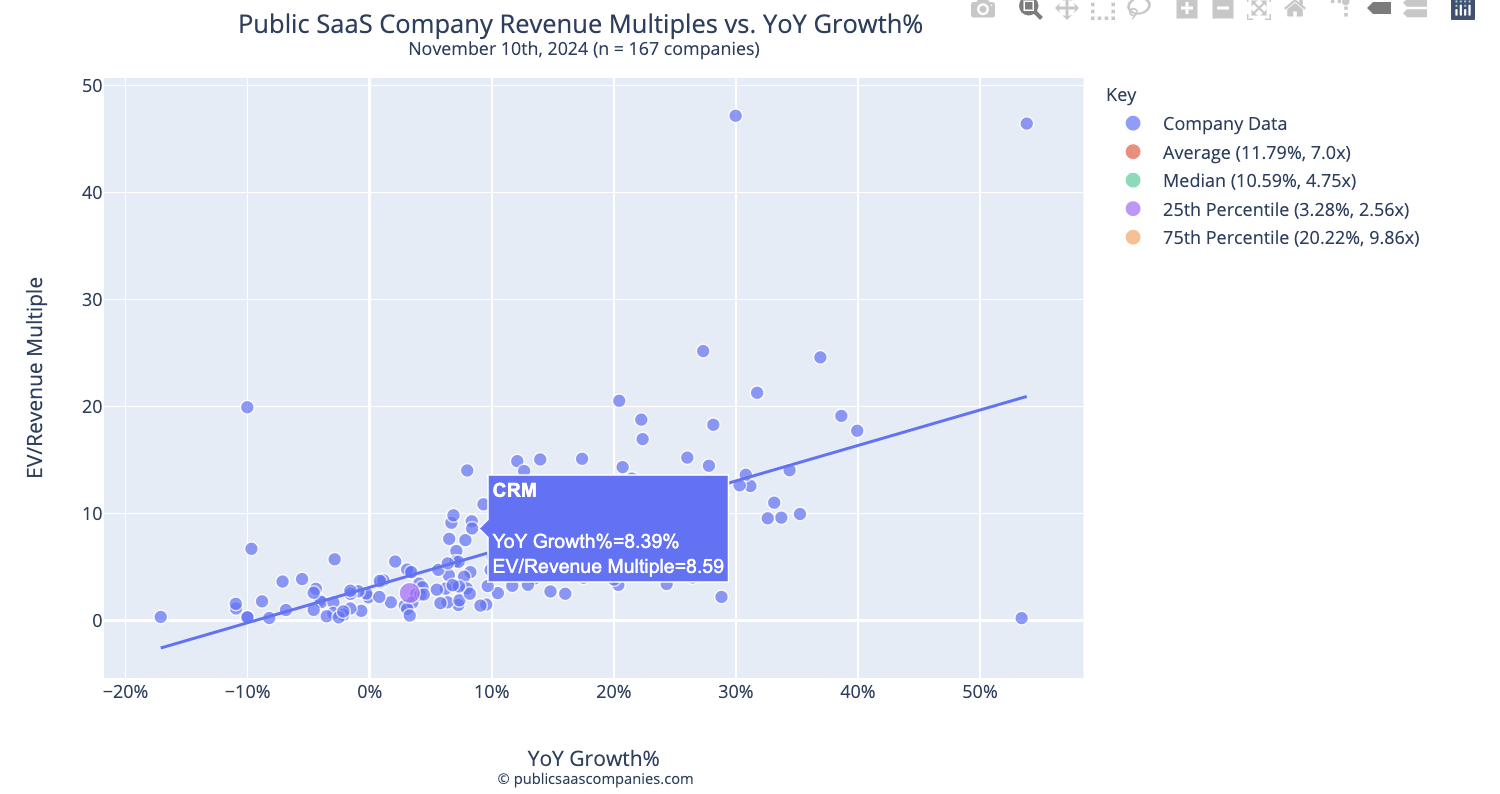
Salesforce is a name that most people recognize in cloud computing and SaaS. The company is celebrated for its impressive customer relationship management (CRM) platform and its steady financial growth and profitability. Understanding how profitable Salesforce is requires an in-depth look at its business model, revenue streams, and overall economic health.
This article explores these aspects to answer the question: How profitable is Salesforce comprehensively? Let’s dive in and learn more about this SaaS industry powerhouse.
Understanding Salesforce’s Business Model
Salesforce operates a cloud-based business model that provides customer relationship management (CRM) services. This highly effective model offers businesses an all-in-one platform to manage customer interactions, sales, and service operations. By delivering these services through the cloud, Salesforce allows companies to access their data from anywhere, promoting flexibility and efficiency.
One key aspect of Salesforce’s business model is its subscription-based pricing. Customers pay a recurring fee to access Salesforce’s suite of products and services. This recurring revenue model ensures a steady income stream, which helps in financial planning and sustainability. The subscription tiers are designed to cater to different business sizes and needs, from small businesses to large enterprises, ensuring broad market appeal.
Another critical component of Salesforce’s business model is its AppExchange platform. AppExchange is an online marketplace where businesses can buy, sell, and customize applications built on Salesforce. This adds another revenue stream while providing value to customers by extending Salesforce’s functionality through third-party apps. It also creates a developer ecosystem that enhances the platform’s versatility and attractiveness.
Key Revenue Streams Driving Profitability
Subscription and Support
Subscription and support services are the backbone of Salesforce’s revenue. Businesses subscribe to Salesforce’s CRM solutions, paying monthly or yearly fees to access various features. These subscriptions include different plans, such as Sales Cloud for managing sales pipelines, Marketing Cloud for campaign management, and Service Cloud for customer support.
Support services include customer service and technical support. Customers receive assistance with troubleshooting, software updates, and other queries. This element of the subscription service increases customer satisfaction and retention, thereby contributing to long-term profitability. Since these services are necessary for smooth operation, customers will likely renew their subscriptions, providing Salesforce with consistent revenue.
Professional Services and Other Revenues
Besides subscription fees, Salesforce generates significant income through professional services. These services include training, consulting, and custom development to help businesses implement Salesforce’s solutions effectively. Enterprises often require tailored setups and specialized training, creating an additional revenue stream for Salesforce.
Other revenues come from the company’s AppExchange platform. Third-party developers sell their apps on this marketplace, and Salesforce earns a commission. Licensing fees from partnerships and collaborations also contribute to this revenue category. By diversifying its income sources, Salesforce ensures financial stability and opens new growth opportunities.
Understanding these key revenue streams clarifies how Salesforce builds and maintains its profitability. The company’s comprehensive business model and diverse revenue streams position it well for continued success and growth.
Analyzing Salesforce’s Profit Margins and Financial Health
Salesforce has shown impressive financial figures over recent years, which is attributed to its solid profit margins. Good SaaS margins are essential for a company’s profitability. Salesforce’s gross margin typically ranges around 70-80%. This high margin is mainly due to its subscription-based model, which ensures recurring revenue with lower variable costs. High gross margins allow Salesforce to cover its operating expenses while retaining a significant profit.
Operating margins are another crucial metric. These margins reflect the company’s efficiency in managing its operating costs. Salesforce has maintained its operating margins healthy, hovering around 20-25%. This is a testament to its effective cost-management strategies and scalable business model. Operational efficiency directly impacts the company’s bottom line, making it more profitable.
Salesforce’s balance sheet further supports its financial health. The company has substantial cash reserves and low debt levels, which provide economic stability. This solid foundation allows Salesforce to invest in new technologies, acquisitions, and global expansion strategies without risking its financial position.
Future Outlook and Growth Potential for Salesforce
Salesforce’s future looks promising, and the broader SaaS outlook for 2024 appears robust. The increasing demand for cloud-based solutions is a significant driver of growth. More businesses are adopting digital transformation strategies, creating ample opportunities for Salesforce to expand its market presence.
Salesforce’s ongoing investments in artificial intelligence (AI) and machine learning (ML) are set to pave the way for future growth. Salesforce Einstein, the company’s AI platform, is gaining traction and is expected to become a key component in its suite of products. Integrating advanced technologies will attract new customers and retain existing ones, boosting overall revenue.
Geographic expansion is another area of potential growth. Salesforce is focusing on emerging markets where digital adoption is accelerating. By entering these markets, Salesforce can tap into new customer bases and drive further growth. Strategic partnerships and acquisitions will help the company enhance its product offerings and enter new industries.
Conclusion
Salesforce has indeed proven to be a profitable entity thanks to its robust business model, diverse revenue streams, and effective cost management. By examining its profit margins and overall financial health, we see a company that continues to thrive and adapt to the demands of the SaaS landscape. The future outlook for Salesforce is bright, with ongoing investments in technology and a focus on global expansion promising sustained growth.
Visit PublicSaaSCompanies.com to understand Salesforce’s financial performance better and gain insights into other top SaaS companies. Stay informed and make well-informed decisions for your business needs.
Leave a Reply