
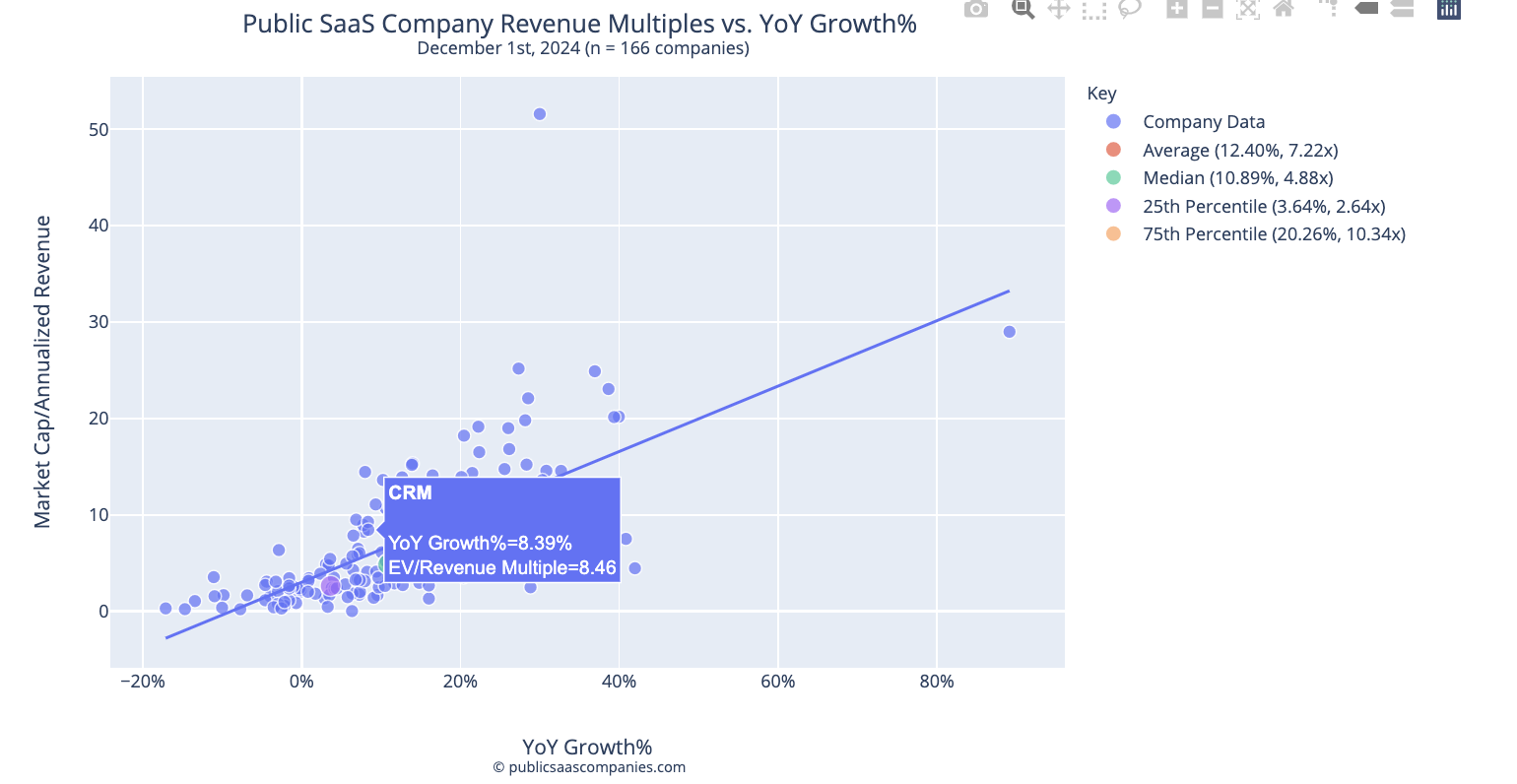
Salesforce stands as a giant in the SaaS industry, well-regarded for its comprehensive customer relationship management (CRM) solutions. Salesforce achieved an impressive annual revenue of over $27 billion. These remarkable earnings highlight Salesforce’s strong market presence and the increasing demand for its suite of products and services. This article delves into understanding these revenue figures, the components that drive this income, and the outlook for Salesforce in the coming year.
The breakdown of Salesforce’s revenue provides insights into its financial health and growth trajectory. A significant portion of its revenue comes from subscription and support services, which offer various business solutions on a recurring basis. Additionally, Salesforce’s professional services contribute a substantial amount, catering to clients’ needs for consulting, training, and customization of the platform. These revenue streams together build a robust financial model for Salesforce.
Salesforce’s revenue is influenced by several key factors. Its market position as the largest SaaS company in the world provides a strong competitive edge. Additionally, a vast and diversified customer base helps in maintaining steady income. Continuous innovation and product development ensure that Salesforce stays ahead of market trends, attracting new customers while retaining existing ones. Understanding these elements is crucial to grasping how Salesforce maintains profitability and positions itself for future growth.
This exploration will also consider the outlook for the broader SaaS industry. With digital tools becoming essential for businesses, Salesforce is poised to continue its growth. Anticipating trends and innovations will be vital for predicting Salesforce’s financial future and its influence on the SaaS landscape. Dive in to see how Salesforce’s impressive revenue figures are shaped and what the future could hold for this leading SaaS company.
Understanding Salesforce’s Annual Revenue
Salesforce has consistently demonstrated robust financial performance, cementing its role as the largest SaaS company in the world. The company reported annual revenue exceeding $27 billion. This figure showcases Salesforce’s ability to scale its operations and secure a dominant position in the rapidly growing SaaS market.
This impressive financial performance can be attributed to Salesforce’s extensive product portfolio and its wide reach. The company’s ability to attract and retain a broad customer base across various industries significantly contributes to its revenue. Furthermore, Salesforce’s strategic acquisitions have enhanced its product offerings, enabling it to provide comprehensive solutions that meet diverse business needs.
By continually investing in innovation and expanding its service offerings, Salesforce has maintained strong revenue growth. These efforts ensure the company remains competitive and continues to meet the evolving needs of its customers. Understanding these aspects is crucial for comprehending how Salesforce achieves such high annual revenue figures.
Key Components of Salesforce’s Revenue
Subscription and Support
One of the primary drivers of Salesforce’s revenue is its subscription and support services. This category includes recurring revenue from customers who use the company’s cloud-based CRM and other related applications. These services offer businesses tools to manage sales, customer service, marketing, and more, all through a single platform.
Subscription and support revenue accounted for the majority of Salesforce’s total earnings. This model provides a stable and predictable income stream, as businesses often sign long-term contracts. The recurring nature of subscription fees ensures ongoing revenue, contributing significantly to Salesforce’s steady financial growth.
Salesforce’s ability to offer tailored solutions for businesses of all sizes also enhances its subscription revenue. From small startups to Fortune 500 companies, Salesforce’s scalable solutions appeal to a wide range of clients. This broad appeal helps maintain a diverse and robust customer base.
Professional Services and Other Revenues
In addition to subscription fees, Salesforce generates revenue from professional services and other sources. Professional services include consulting, training, and custom solutions provided to clients. These services help businesses effectively use Salesforce’s products and maximize their return on investment.
Other revenue streams come from different areas, such as third-party app sales on the Salesforce AppExchange and license fees. These additional sources of income complement the subscription revenue, ensuring a diversified revenue mix.
Professional services offer significant value to clients, as they can tailor Salesforce’s products to specific business needs. This customization helps in achieving better results and enhances customer satisfaction. Salesforce’s ability to provide these specialized services positions it as a comprehensive solution provider, thereby attracting even more customers.
This combination of subscription, support, professional services, and other revenues creates a balanced and sustainable revenue model. It allows Salesforce to continue growing and adapting to market needs while maintaining strong financial health.
Factors Influencing Salesforce’s Profitability
Market Position
Salesforce’s market position significantly impacts its profitability. As the largest SaaS company in the world, it holds a leading position in the CRM market. This dominance allows Salesforce to command higher prices for its services and products due to its reputation and established brand. Being a market leader also provides economies of scale, reducing costs and boosting profit margins.
Salesforce’s strategic acquisitions play a crucial role as well. By acquiring companies that complement its services, Salesforce enhances its product portfolio and broadens its market reach. These acquisitions allow the company to enter new markets and better serve existing customers, further solidifying its market position.
Customer Base
A diverse and loyal customer base is another key factor in Salesforce’s profitability. The company serves businesses of all sizes, from small startups to large enterprises. This diverse clientele helps stabilize revenue streams, reducing the impact of economic downturns in specific sectors.
Customer loyalty is nurtured through excellent customer service and continuous product innovation. Satisfied customers are more likely to renew their subscriptions and purchase additional services. Salesforce invests significantly in customer relationship management, ensuring that clients receive the support they need to maximize the value of Salesforce’s products.
Innovation and Product Development
Continuous innovation is at the heart of Salesforce’s business strategy. The company invests heavily in research and development to stay ahead of market trends. Introducing new features, improving existing ones, and expanding into new areas like artificial intelligence keep Salesforce competitive and attractive to customers.
Key innovations such as Salesforce Einstein, which brings AI capabilities to CRM, exemplify Salesforce’s commitment to leveraging cutting-edge technology. These advancements not only attract new customers but also encourage existing customers to upgrade their services, boosting revenue.
Salesforce’s annual conferences, like Dreamforce, also highlight product development and foster a community of engaged users. These events showcase new products and features, helping to drive adoption and keep the Salesforce ecosystem vibrant and growing.
The Future Outlook for Salesforce and SaaS
The SaaS outlook appears promising, with many businesses continuing to shift towards digital solutions. For Salesforce, this trend represents ongoing opportunities for growth. The demand for cloud-based services is expected to rise, driven by remote work, digital transformation, and an increased focus on data-driven decision-making.
Salesforce is likely to maintain its strong revenue growth by continuing to innovate and expand its product offerings. Integrating artificial intelligence, machine learning, and other advanced technologies will enhance its value proposition. Expanding into emerging markets and industries can also help Salesforce capture new revenue streams.
Another critical factor will be the company’s ability to scale its operations efficiently. As more businesses adopt SaaS solutions, Salesforce must ensure it can support this growth without compromising service quality. Investing in infrastructure, expanding data centers, and enhancing customer support will be essential.
Salesforce’s strategic partnerships and acquisitions will also play a vital role in shaping its future. By collaborating with other technology leaders and acquiring innovative companies, Salesforce can expand its capabilities and enter new markets. These efforts will help Salesforce maintain its market leadership and drive revenue growth and beyond.
Conclusion
Salesforce’s impressive financial performance underscores its position as a leader in the SaaS industry. By understanding its annual revenue and the factors that influence profitability, we gain insights into what makes Salesforce successful. The company’s strong market position, diverse customer base, and commitment to innovation and product development are key drivers of its sustained growth.
Looking ahead, the SaaS outlook suggests continued opportunities for Salesforce. The growing demand for cloud-based services, coupled with Salesforce’s strategic focus areas, positions the company for further success. By continually adapting and expanding its offerings, Salesforce is well-prepared to navigate the evolving market landscape and maintain its leadership position.
For more insights into Salesforce’s financial performance and the broader SaaS market, contact PublicSaaSCompanies.com. Stay updated with detailed financial information on leading SaaS companies, helping you make well-informed decisions.