
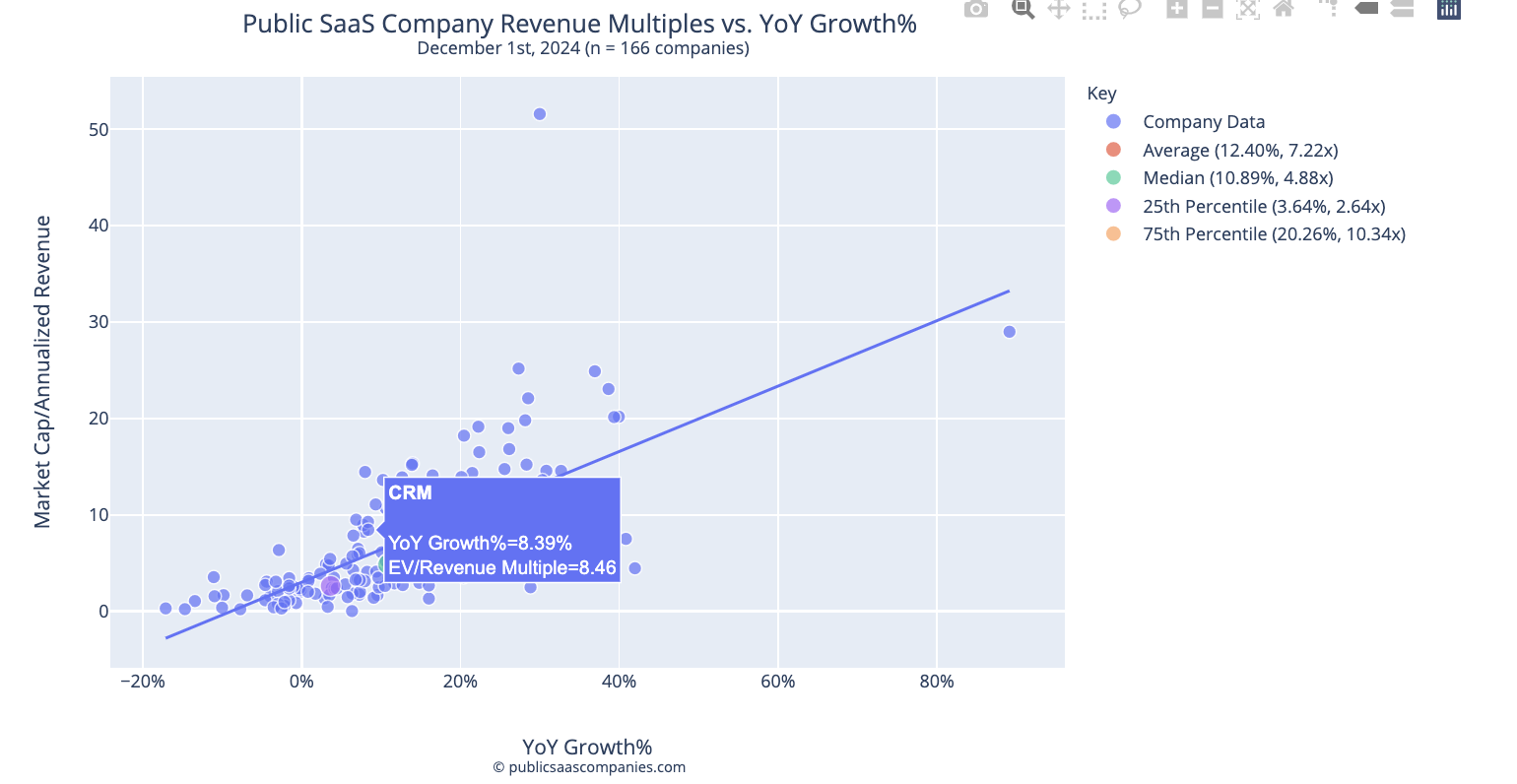
Salesforce is a major name in the world of SaaS, offering a range of services that help businesses manage their customer relationships. But beyond its impressive suite of tools, a pressing question remains: how profitable is Salesforce? Understanding the company’s profitability gives us insight into its financial health and its ability to sustain growth over time.
Salesforce’s profitability can be gauged using various key metrics and indicators. These include revenue growth, profit margins, and net income, which show how effectively Salesforce converts its revenues into profits. Examining these metrics helps us understand whether the company is efficiently managing its resources and creating value for its shareholders.
In addition to looking at profitability metrics, it’s essential to understand the different revenue streams that contribute to Salesforce’s profits. The company generates income from subscriptions, professional services, and its partner ecosystem. Each of these streams plays a crucial role in ensuring a steady flow of revenue, which in turn, impacts profitability.
Operational costs are another critical factor when assessing profitability. Salesforce, like any other large company, incurs significant costs related to research and development, marketing, and administration. Understanding these costs and how Salesforce manages them can shed light on the company’s profit margins and overall financial health.
Lastly, we will explore the future outlook for Salesforce. Can it continue to maintain and grow its profitability in the coming years? Factors like market trends, competitive pressures, and innovation capabilities will play a significant role in shaping Salesforce’s future. By analyzing these factors, we can get a better sense of Salesforce’s long-term profitability prospects.
Understanding Salesforce’s Profitability: Key Metrics and Indicators
Salesforce’s profitability is measured by several key metrics that provide insight into its financial health. One important metric is the profit margin, which shows how much of the revenue is converted into profit after all expenses are deducted. A good SaaS margin typically ranges between 70% to 90% for gross margins and around 20% to 30% for net profit margins. Salesforce’s gross margins tend to be on the higher end of this range, reflecting efficient cost management.
Another crucial indicator is net income, which represents the company’s total earnings after taxes. In recent years, Salesforce has managed to consistently grow its net income, signaling that the company is effectively managing its revenues and expenses. This growth in net income is significant as it reflects the company’s ability to generate profits while scaling its operations.
Earnings per share (EPS) is another key metric. EPS shows how much profit is attributable to each share of stock, making it a valuable indicator for investors. Higher EPS values indicate that the company is more profitable on a per-share basis. Salesforce’s EPS has seen steady growth, thanks to its expanding revenue and controlled expenses.
These metrics highlight Salesforce’s financial strength and its ability to generate sustainable profits. By focusing on these key indicators, we can get a clear picture of how well Salesforce is performing financially and its profitability.
Revenue Streams Contributing to Salesforce’s Profit
Salesforce generates revenue from multiple streams, each playing a vital role in the company’s profitability. The primary source of revenue is its subscription services. These services include the Sales Cloud, Service Cloud, Marketing Cloud, and Commerce Cloud. Subscriptions provide recurring income and ensure a stable revenue base.
Professional services also contribute a significant portion of Salesforce’s revenue. These include consulting, training, and implementation services offered to help businesses effectively use Salesforce’s platforms. The fees charged for these services add to the company’s profitability and customer satisfaction.
Salesforce has a robust partner ecosystem, which includes independent software vendors and system integrators. These partners resell Salesforce’s software and provide specialized services, thereby extending Salesforce’s market reach and adding to its revenue streams. The AppExchange marketplace further boosts revenue, as third-party developers sell applications that integrate with Salesforce products, creating more value for customers and additional income for Salesforce.
By having diverse revenue sources, Salesforce reduces its dependence on any single stream, ensuring financial stability and continuous growth. This diversified revenue portfolio plays a crucial role in contributing to Salesforce’s overall profitability.
Operational Costs and Their Impact on Profitability
Operational costs play a big role in determining Salesforce’s profitability. These costs include expenses related to research and development (R&D), marketing, and administrative functions. Each of these areas requires substantial investment to keep the company competitive.
R&D costs are crucial as they drive innovation. Salesforce spends a large portion of its budget on R&D to enhance its existing products and develop new solutions. While these costs are high, they are necessary for maintaining the company’s market leadership. Effective R&D can lead to more advanced products, attracting new customers and retaining existing ones.
Marketing expenses are another significant cost for Salesforce. The company invests heavily in advertising and promotional activities to attract and retain customers. These costs can impact the company’s profit margins, but they are essential for growth and brand visibility.
Administrative costs include salaries, office expenses, and other operational expenses required to run the business smoothly. Salesforce’s large workforce and global presence mean that these costs are high. However, efficient management of these expenses can positively impact profitability.
Understanding these operational costs and how Salesforce manages them provides insight into the company’s overall profitability. Efficient cost management is essential for maximizing profit margins and ensuring long-term financial health.
Future Outlook: Can Salesforce Maintain and Grow Its Profitability?
The future outlook for Salesforce’s profitability appears promising but hinges on several factors. One key factor is the SaaS outlook for 2024. As businesses continue to adopt cloud-based solutions, the demand for Salesforce’s products could increase, driving higher revenues and profitability.
Innovation will play a significant role in maintaining Salesforce’s profitability. The company needs to keep developing new products and improving existing ones. Staying ahead of the competition by offering unique and valuable solutions is crucial for attracting and retaining customers.
Market trends and economic conditions also impact Salesforce’s future profitability. For instance, economic downturns can lead to reduced spending by businesses, affecting Salesforce’s revenue. Conversely, a booming economy can result in increased spending on SaaS solutions, boosting the company’s profits.
Another important factor is Salesforce’s ability to manage costs effectively. By keeping operational costs in check while growing revenue, the company can maintain healthy profit margins. Efficient cost management will be essential as Salesforce scales its operations and expands its global footprint.
Overall, while there are challenges, Salesforce is well-positioned to maintain and grow its profitability. By focusing on innovation, market trends, and cost management, the company can continue to thrive in the rapidly evolving SaaS landscape.
Conclusion
Understanding how profitable Salesforce is requires a look at its key financial metrics, revenue streams, operational costs, and future outlook. The company showcases strong profit margins, diversified revenue sources, and effective cost management. These factors have helped Salesforce maintain its profitability over the years and position itself as a leader in the SaaS industry.
Looking ahead, Salesforce’s future profitability will depend on its ability to innovate, adapt to market trends, and manage costs effectively. By continuing to focus on these areas, Salesforce can sustain its growth and maintain its position in the market. The company’s strong financial health and strategic approach make it well-equipped to navigate future challenges and capitalize on opportunities.
For more insights into the profitability and performance of Salesforce valuation and other public SaaS companies, explore our free database at PublicSaaSCompanies.com. Stay informed about the latest trends and financial metrics to make better-informed decisions.